Customers were frustrated by CFNA’s opaque, auto-assigned credit card process and a rewards program they couldn’t decode. Through in-depth interviews, we found where trust broke down — and how to rebuild it.
ClientCFNA
Timeline3 Months
RoleUX Researcher
Team1 Researcher, 1 Designer, 1 Product Manager
The challenge
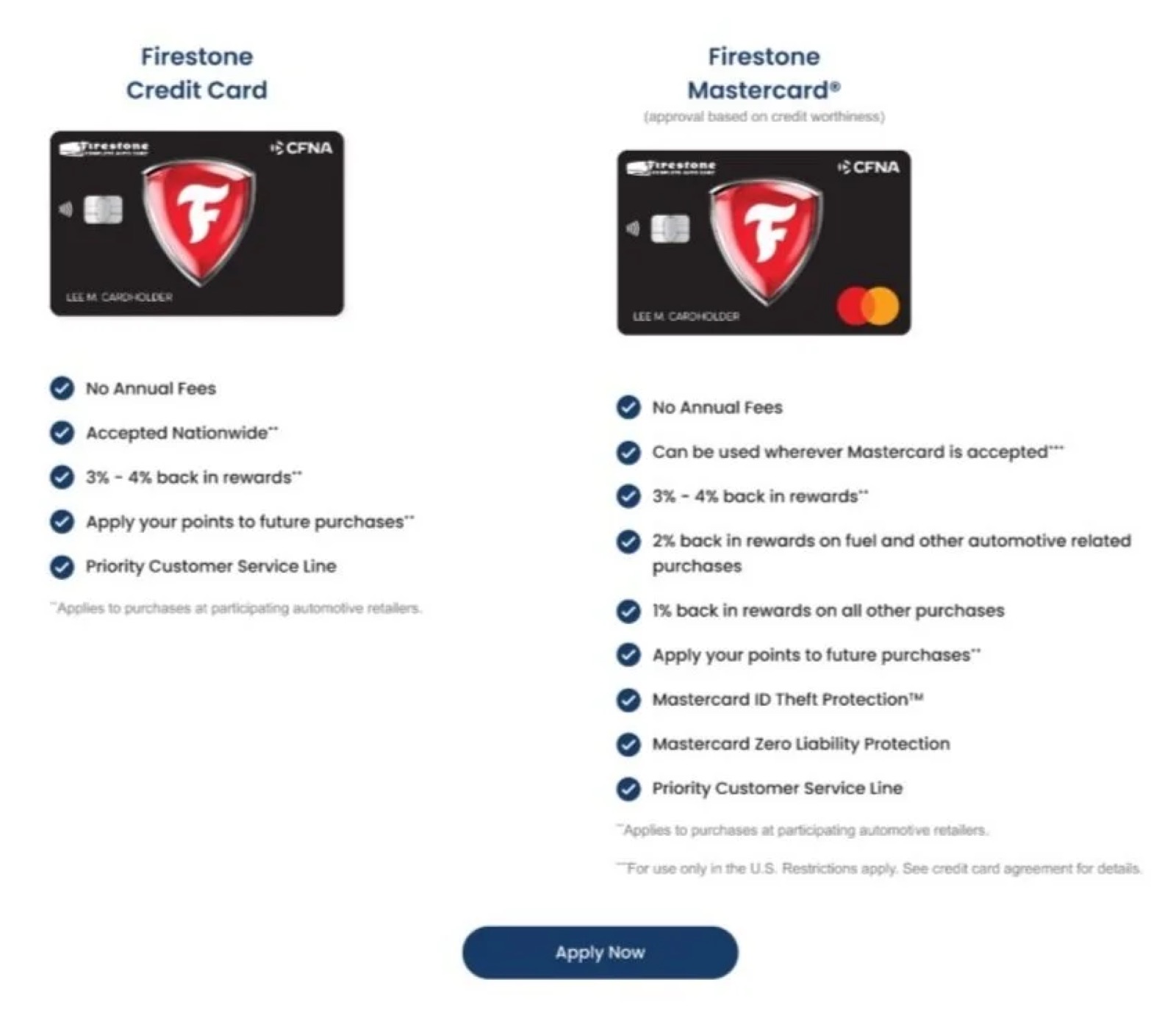
Customers were frustrated by the lack of transparency and control in CFNA’s auto-assigned credit card process. Inconsistent benefits between the two cards led to confusion and disappointment, while the opaque rewards system — with unclear point logic and redemption options — eroded trust and increased the likelihood of abandonment or cancellation.
The approach
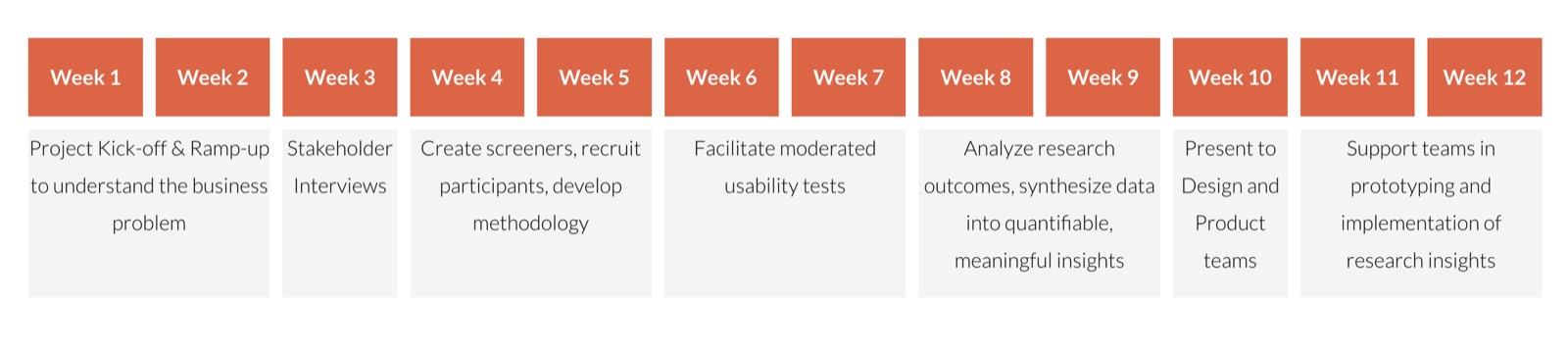
Twelve weeks, from kickoff and stakeholder interviews to supporting implementation.
I conducted 90-minute, 1:1 interviews with 20 participants (10 web, 10 mobile) to understand their behaviors, preferences, and pain points. Every participant went through three scenarios:
01
Pre-login
Two design options for exploring the two-card offering and the rewards program.
02
Card application
Getting qualified for the Private Label card.
03
Post-login
The rewards program and points banking.
User archetypes
Credit card users fall into five archetypes. Understanding their motivations and behaviors is crucial to designing experiences that meet their needs.
Max Payers
“I am responsible and like to pay my credit card bills in advance. I have never paid interest because I am always on top of my bills.”
Traders
“I am always on the lookout for cards with maximum rewards, cash back, and the longest payback tenure.”
Revolvers
“I pay only the minimum amount due, or a little more, and go about making purchases as usual. High interest rates do not bother me.”
Non-Users
“I own all sorts of cards, but when it comes to using them, I just don’t. I stay cautious because I have wrongly used a card.”
Non-Payers
“I obtain all the credit cards offered to me, use them up to the maximum available credit, and then not pay up at all.”
Insights & opportunities
Two-card comprehension
Insight: the website didn’t make clear that CFNA selects one of two cards for each applicant, so users were frustrated to discover they’d received a different card.
Improve the pre-login experience by clearly presenting both card options and the selection process.
Consider a pre-qualification service or credit meter that shows which card applicants are more likely to get before they apply.
Card approval
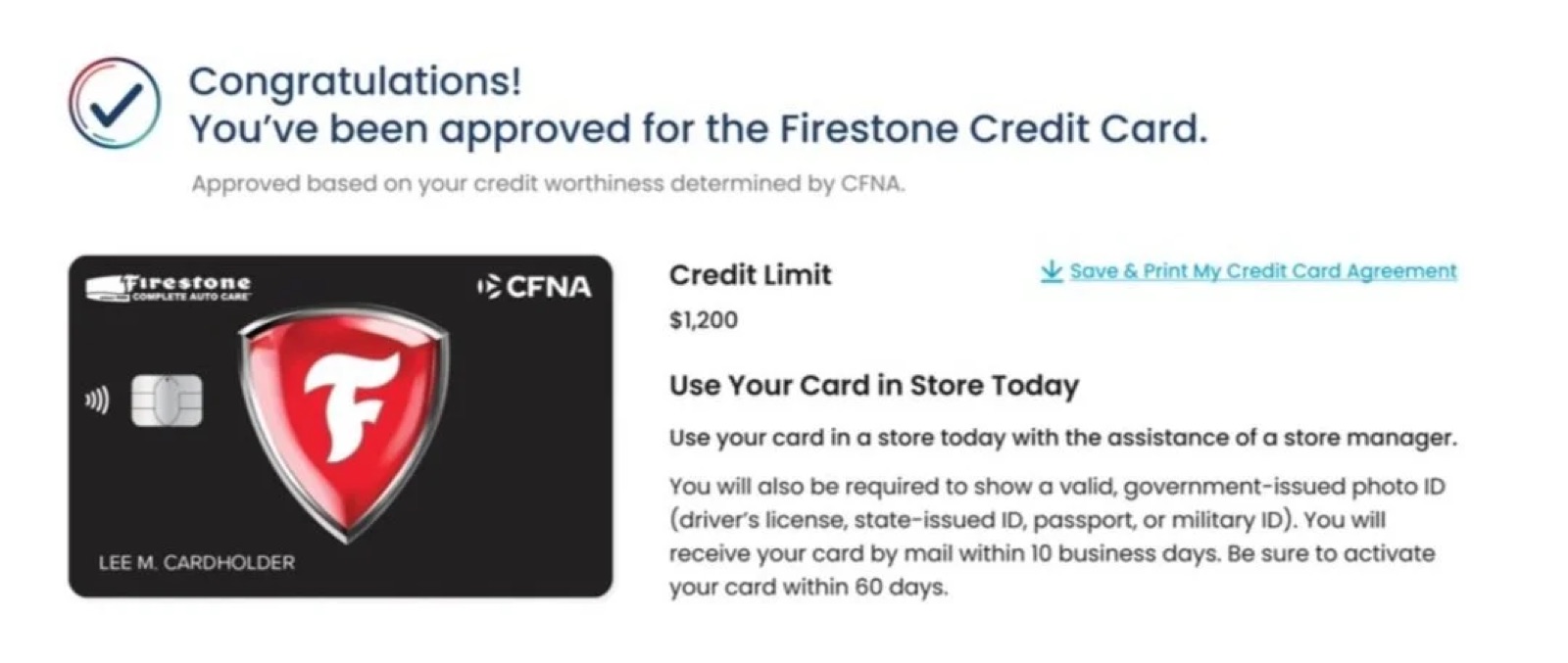
Insight: participants were disappointed to receive the Private Label card instead of the Mastercard, though they’d use it in emergencies like vehicle repairs. They wanted to know why, and looked for ways to add Mastercard benefits or get it directly. Keeping or cancelling the card hinged on conversations with customer service.
Explain why an applicant received one card over the other.
Offer a free upgrade to Mastercard after 6 months of active use and complete payments, encouraging continued use and reducing cancellations.
Rewards program
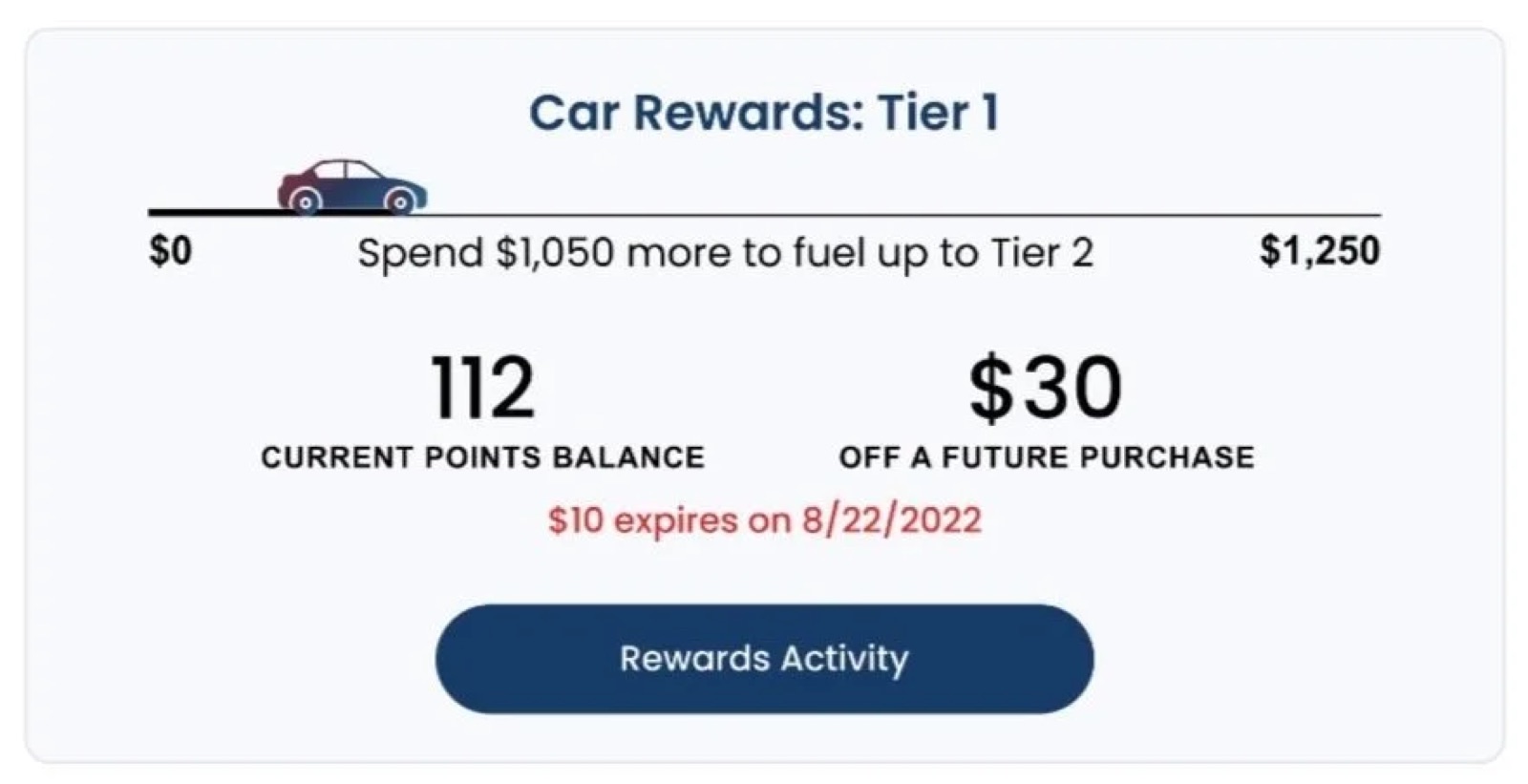
Insight: transaction history was helpful, but participants were confused and overwhelmed by the reward calculation. They expected to see their current tier — and how much more they needed to spend to reach the next — on their Account Summary.
Gamify the experience to clarify tier level, current status, and points needed to reach the next tier.
The result
In-depth interviews revealed the key pain points in card selection and rewards comprehension. Our recommendations informed updates to the landing page, clarified messaging in the application flow, and simplified the rewards explanation to match users’ expectations and decision-making.
The impact
Implementing these changes would reduce confusion around card assignment, minimize friction during application, and build long-term engagement by improving trust in the rewards system — leading to lower abandonment and cancellation rates and stronger confidence in CFNA’s value proposition.